What is Anifusion? | The AI Manga Generator
Artificial intelligence tools now assist manga creation through automated illustration, panel generation, and narrative visualization. One such platform is Anifusion, an AI system designed to generate manga-style artwork and story panels from text prompts and structured inputs.
Manga creation traditionally requires illustration skills, panel design knowledge, and digital drawing software such as Clip Studio Paint or Adobe Photoshop. AI platforms such as Anifusion automate these production stages using machine learning models trained on anime and manga visual structures.
Understanding Anifusion requires examining its core technology, features, workflow, and role within AI-assisted comic creation. Each section below explains how the platform functions and how creators use it to generate manga content.
What is Anifusion?
Anifusion is an AI-powered manga generation platform that converts text prompts into manga-style panels, characters, and scenes using machine learning models trained on anime and comic illustration datasets.
The system integrates natural language processing with image synthesis algorithms. These algorithms interpret written prompts and generate visual compositions that follow manga conventions such as character expressions, panel framing, speech bubbles, and dynamic action scenes.
Anifusion operates within the broader field of generative artificial intelligence, a domain that includes models such as Stable Diffusion, DALL·E, and Midjourney. These systems produce visual content from textual descriptions by mapping language inputs to image representations.
In manga production, Anifusion focuses specifically on anime-style aesthetics. The platform generates black-and-white manga panels, stylized characters, and sequential comic layouts based on narrative instructions provided by the user.
Example use case:
A creator enters a prompt describing a scene such as a samurai standing in a rainy street. The system generates a manga panel featuring the character, environmental effects, and cinematic framing consistent with manga storytelling conventions.
How does Anifusion generate manga panels?
Anifusion generates manga panels by processing user prompts through AI image generation models that synthesize anime-style artwork and arrange it into comic panel structures.
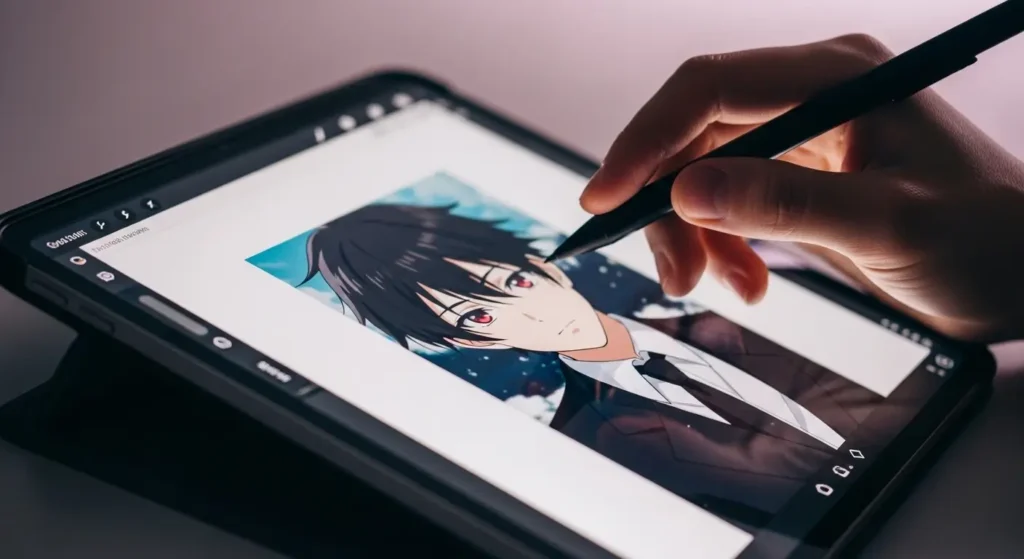
The platform uses neural networks trained on large datasets containing manga illustrations, anime frames, and comic layouts. These models learn patterns such as line art style, shading techniques, facial expressions, and motion lines.
The generation process follows several steps:
Prompt interpretation
Natural language processing identifies characters, actions, environments, and emotional tone described in the prompt.
Visual synthesis
Diffusion-based image models construct artwork that matches the prompt while maintaining anime visual style.
Panel composition
The system arranges generated artwork within comic panels. Speech bubbles and dialogue areas follow manga reading flow.
Rendering
Final output produces high-resolution manga-style panels suitable for editing, publishing, or web distribution.
This workflow combines text-to-image generation, visual style transfer, and comic layout automation. Together these components allow a user to produce illustrated panels without drawing manually.
What features define the Anifusion AI manga generator?
Anifusion includes several core features that automate character creation, scene design, and manga panel composition using artificial intelligence.
Each feature supports a specific stage of manga production.
What is AI character generation?
AI character generation creates manga characters based on textual descriptions of appearance, clothing, personality, and pose.
The system interprets attributes such as hair color, facial structure, clothing style, and emotional expression. It produces character designs consistent with anime illustration styles.
Example description input:
• female warrior with silver armor
• long black hair
• determined expression
The AI generates character artwork reflecting these visual attributes.
What is AI panel creation?
AI panel creation produces individual manga frames that depict actions, environments, and dialogue scenes from written prompts.
The system positions characters within panels and integrates environmental elements such as buildings, forests, or battlefields.
Generated panels include visual storytelling elements common in manga:
• motion lines indicating movement
• dramatic camera angles
• expressive character reactions
These features replicate traditional manga composition techniques.
What is style consistency control?
Style consistency control maintains the same artistic appearance across multiple panels and chapters.
In manga storytelling, visual consistency ensures characters appear recognizable across scenes. Anifusion uses reference models that store character features and drawing style parameters.
This feature prevents character redesign in every panel. It keeps facial structure, costume details, and proportions consistent throughout a sequence.
What is dialogue integration?
Dialogue integration inserts speech bubbles and text boxes within generated manga panels.
Manga storytelling relies heavily on dialogue placement. The platform detects areas of visual space where speech bubbles appear without covering character faces or key action elements.
Dialogue bubbles follow manga conventions such as:
• oval speech balloons
• spiky balloons for shouting
• rectangular narration boxes
These conventions align with established comic publishing standards.
What technology powers Anifusion?
Anifusion operates through generative AI models that combine natural language processing with diffusion-based image generation systems.
The core technologies include:
What is diffusion-based image generation?
Diffusion models generate images by gradually transforming random noise into structured visuals that match a text prompt.
This technique powers systems such as Stable Diffusion, a widely used open-source AI image generator. The model learns relationships between words and visual patterns.
During generation the algorithm reconstructs an image step by step until it matches the prompt description.
What is natural language processing in AI art tools?
Natural language processing (NLP) converts written prompts into structured instructions that AI models understand.
In Anifusion the NLP module identifies entities such as:
• characters
• locations
• actions
• emotions
These entities guide the image synthesis model to generate appropriate visual scenes.
Source: Stanford University Natural Language Processing Group
What are training datasets in generative AI?
Training datasets contain large collections of images used to teach AI models visual patterns and artistic styles.
For anime-style tools, datasets include:
• manga pages
• anime frames
• character illustrations
• comic panel layouts
These datasets teach the model how manga artwork appears. The AI reproduces similar styles during generation.
Source: OpenAI Research Publications
What types of content can creators produce with Anifusion?
Anifusion produces several types of manga-related visual content including panels, character designs, and short comic sequences.
Each content type corresponds to a specific creative goal.
What are single manga panels?
Single manga panels represent individual moments in a story such as character reactions, action scenes, or environmental shots.
Creators use single panels to illustrate dramatic events or character introductions.
Example prompts:
• ninja jumping between rooftops
• school student surprised by a letter
The system converts these prompts into illustrated manga frames.
What are multi-panel comic sequences?
Multi-panel sequences present several connected panels that show narrative progression.
These sequences include:
1 character entering a location
2 dialogue exchange between characters
3 action or emotional climax
Sequential panels follow typical manga storytelling flow.
What are character concept designs?
Character concept designs generate visual prototypes used for manga protagonists, antagonists, or supporting characters.
Artists refine these generated designs before finalizing character appearance for a story.
Concept generation accelerates the early stages of character development.
How does Anifusion support manga creators and writers?
Anifusion supports manga creators by reducing the technical barriers associated with illustration, panel design, and comic layout production.
Traditional manga creation requires multiple specialized skills:
• drawing anatomy
• panel composition
• digital inking
• background design
AI tools automate several of these tasks.
Writers who focus primarily on storytelling use the platform to visualize scenes without drawing manually. Artists use it to prototype concepts before creating final illustrations.
The platform therefore supports collaboration between writers, illustrators, and independent comic creators.
Example workflow:
1 Writer drafts a story scene.
2 Prompt describes the environment and character actions.
3 Anifusion generates panels representing the scene.
4 Creator edits dialogue and panel order.
This workflow shortens the production timeline compared to traditional comic creation.
How does Anifusion fit within the AI manga creation ecosystem?
Anifusion functions as a specialized AI manga generator within the broader ecosystem of generative art platforms that produce anime and comic illustrations from text prompts.
The AI creative ecosystem includes multiple systems that generate visual media using machine learning models. Platforms such as Stable Diffusion, Midjourney, and DALL·E generate general digital artwork. Anifusion focuses specifically on manga-style visual storytelling.
Manga production requires structured visual elements such as panel layouts, character expressions, speed lines, and speech balloons. Anifusion integrates these elements into generated outputs, aligning the platform with comic production workflows rather than standalone illustration generation.
This specialization places Anifusion within a category of AI comic generation tools, which also includes systems like Dashtoon Studio and AI Comic Factory. These platforms assist writers and artists in producing illustrated narratives using automated visual synthesis.
The ecosystem structure connects several entities:
• generative AI models
• manga storytelling conventions
• digital comic publishing platforms
Anifusion links these components by transforming narrative prompts into manga-ready visual panels.
What workflow do creators follow when using Anifusion?
Creators follow a structured workflow in Anifusion that converts story ideas into illustrated manga panels through prompt input, AI generation, and panel editing.
The workflow reflects the stages of traditional manga production while replacing manual drawing with automated visual synthesis.
What is the prompt creation stage?
Prompt creation defines the scene description that guides AI panel generation.
A prompt includes narrative elements such as character identity, environment, action, and emotional tone.
Example prompt structure:
• protagonist: teenage swordsman
• setting: rainy night street
• action: drawing sword
• emotion: determination
The system extracts entities from the prompt and prepares them for visual synthesis.
What is the AI generation stage?
AI generation produces the manga panel by translating prompt instructions into illustrated artwork.
The generation model analyzes visual attributes learned during training and constructs line art, shading, character poses, and environmental details.
The output includes typical manga visual elements:
• dramatic perspective angles
• speed lines indicating motion
• expressive facial reactions
These elements strengthen narrative clarity within a single panel.
What is the editing and refinement stage?
Editing and refinement adjust generated panels to match the creator’s narrative vision.
Creators modify dialogue placement, panel order, and character expressions. Some platforms also allow exporting images for editing in professional illustration software.
Common editing tools include:
• speech bubble editing
• panel cropping
• text placement
These refinements transform generated panels into publishable comic pages.
What advantages does Anifusion provide for manga production?
Anifusion improves manga production efficiency by automating illustration tasks, accelerating panel creation, and enabling writers to visualize stories without advanced drawing skills.
Manga creation typically involves long production cycles. A single chapter requires character design, panel composition, inking, shading, and dialogue placement. AI systems reduce several of these steps.
What is production speed improvement?
Production speed increases because AI generates illustrated panels within seconds instead of hours of manual drawing.
A manga artist traditionally spends 30–60 minutes drawing and inking a detailed panel. AI generation produces comparable visual drafts in seconds.
This time reduction accelerates early story visualization and concept testing.
What is accessibility for non-artists?
Accessibility increases because writers and storytellers produce visual manga content without professional drawing skills.
The system translates narrative prompts directly into visual panels. This removes the requirement for advanced illustration training.
Writers focus on narrative structure while the AI handles visual representation.
What is rapid concept prototyping?
Concept prototyping allows creators to test character designs and scene compositions quickly.
Artists generate multiple visual variations from a single prompt. This process assists character design selection and scene planning before final artwork production.
Rapid iteration improves creative experimentation during early story development.
What limitations exist in AI manga generation platforms such as Anifusion?
AI manga generators contain technical and creative limitations related to visual consistency, dataset bias, and narrative complexity.
Understanding these limitations clarifies the role of AI as a supportive tool rather than a complete replacement for artists.
What is character consistency limitation?
Character consistency problems occur when generated characters change appearance between panels.
Diffusion models generate each image independently. Minor variations in facial structure, hairstyle, or clothing appear across panels.
Advanced reference models reduce this variation but do not eliminate it entirely.
What is dataset influence on art style?
Dataset influence affects visual output because AI models reproduce styles present in their training images.
Training datasets containing large volumes of anime artwork influence character proportions, shading style, and line art structure.
This influence results in outputs that resemble existing anime visual conventions.
Source: MIT Computer Science and Artificial Intelligence Laboratory
What is narrative complexity limitation?
Narrative complexity remains challenging for AI systems because long story arcs require contextual understanding across many panels.
Manga storytelling includes pacing, emotional progression, and scene continuity. AI image generators interpret prompts individually rather than maintaining full narrative awareness.
Creators therefore control story direction while the AI produces individual visual elements.
How does Anifusion relate to the future of AI-assisted manga creation?
Anifusion represents a technological step toward automated comic production where AI systems assist artists in generating visual narratives efficiently.
Artificial intelligence increasingly participates in creative workflows across industries including film, animation, and digital illustration. Manga creation adopts similar automation through AI image generation and narrative visualization.
Several technological trends influence the future of AI-assisted manga creation:
• improved character consistency models
• panel sequencing algorithms
• story-aware generative systems
Research in generative AI focuses on improving narrative coherence and visual continuity.
Organizations such as OpenAI, DeepMind, and Stanford Artificial Intelligence Laboratory study generative models capable of producing structured storytelling content.
These advancements expand AI support for visual storytelling while maintaining the creative role of human authors and illustrators.
Frequently Asked Questions (FAQs)
What type of AI model does Anifusion use?
Anifusion uses diffusion-based generative AI models trained on anime and manga artwork datasets to convert text prompts into illustrated comic panels.
These models learn visual patterns such as line art structure, shading methods, and character anatomy.
Does Anifusion generate full manga chapters?
Yes, Anifusion generates multiple panels that creators assemble into complete manga pages and chapters.
The system produces individual panels that form sequential storytelling when arranged in reading order.
Does Anifusion replace manga artists?
No, Anifusion functions as a creative assistance tool that supports artists and writers during the manga creation process.
Artists refine AI outputs and control narrative direction.
What input format does Anifusion require?
Anifusion requires text prompts describing characters, actions, environments, and emotional tone.
The system interprets these prompt elements through natural language processing and converts them into visual instructions.
What industries use AI manga generators?
AI manga generators support independent comic creators, digital storytellers, animation studios, and content creators producing visual narratives for web publishing platforms.
These tools assist both professional artists and beginner creators.
What distinguishes Anifusion from general AI art generators?
Anifusion specializes in manga panel generation and comic storytelling, while general AI art generators create standalone illustrations.
The platform integrates panel layouts, dialogue placement, and sequential storytelling elements used in manga production.