What Is Dashtoon? And What Can You Create From It?
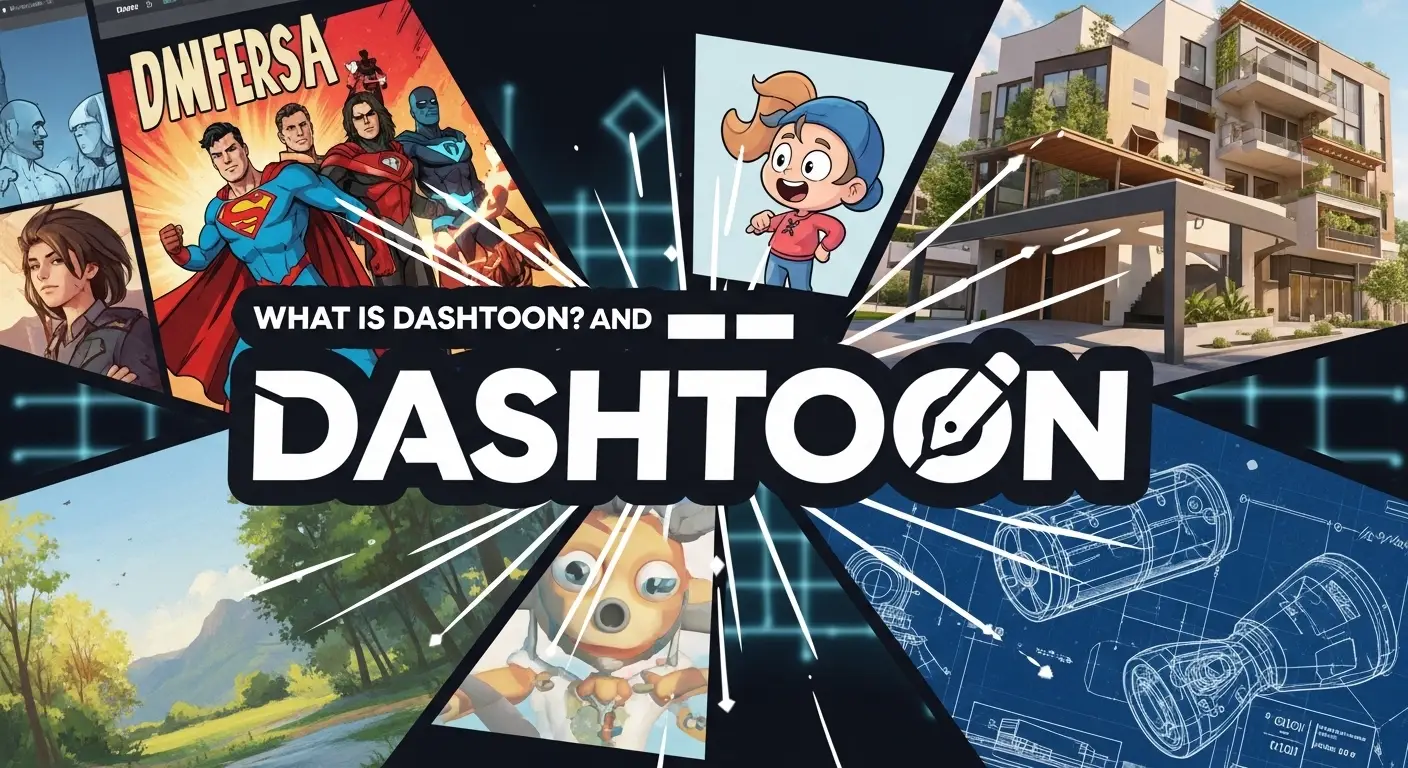
Artificial intelligence platforms now assist comic creation by converting written narratives into illustrated story panels. Dashtoon operates as an AI comic creation platform built specifically for visual storytelling and digital comic publishing.
The platform focuses on transforming scripts and story prompts into structured comic pages. Dashtoon integrates narrative input, character generation, and panel sequencing into one production workflow designed for comic creators, writers, and studios.
Understanding Dashtoon requires examining what the platform is, how its system structures comic production, and the types of creative outputs it generates for digital storytelling.
What is Dashtoon?
Dashtoon is an AI comic creation platform that converts written stories and scripts into structured visual comics using automated panel generation and narrative sequencing technology.
The system processes story text and divides it into scenes, dialogue segments, and narrative moments. Each scene becomes a comic panel or page containing characters, backgrounds, and dialogue bubbles arranged according to comic storytelling structure.
Dashtoon focuses on narrative-driven comic creation rather than standalone image generation. The platform supports long-form storytelling where chapters consist of sequential pages designed for digital reading.
The system integrates several entities that support comic production:
• script input
• scene segmentation
• character visual generation
• comic panel layout
• dialogue rendering
These components work together to convert narrative scripts into illustrated comic sequences.
How does Dashtoon convert stories into comics?
Dashtoon converts stories into comics by transforming written scripts into structured scenes and generating corresponding comic panels with characters, environments, and dialogue placement.
The platform analyzes narrative text and extracts story elements that guide panel generation. Each extracted element contributes to visual composition within the comic page.
The conversion process includes multiple stages.
What is script analysis in Dashtoon?
Script analysis identifies narrative elements such as characters, locations, dialogue, and actions within a written story.
The system interprets these components to understand how a story unfolds across scenes. For example, dialogue lines become speech bubbles while location descriptions guide environmental design.
Example script elements processed by the system:
• character introduction
• setting description
• emotional dialogue
• action sequences
These elements define the visual structure of the generated comic panels.
What is scene segmentation?
Scene segmentation divides a story into individual narrative moments that translate into comic panels.
A story paragraph describing a conversation becomes multiple panels showing character reactions, speech exchange, and environment context.
Sequential segmentation maintains the narrative flow across pages, ensuring the comic follows logical storytelling progression.
What is automated panel generation?
Automated panel generation constructs comic frames that visualize the segmented scenes extracted from the script.
Each panel contains visual elements required for storytelling:
• characters interacting with each other
• environmental backgrounds
• dialogue bubbles
• panel borders
These elements mirror traditional comic production techniques.
What types of content can creators produce using Dashtoon?
Dashtoon produces multiple forms of comic storytelling content including webcomics, graphic narratives, episodic comic series, and visual story prototypes.
Each content type reflects a specific storytelling format.
What are webcomics created with Dashtoon?
Webcomics are digital comics formatted for online reading platforms and mobile devices.
Creators publish episodic chapters consisting of vertically structured panels optimized for scrolling interfaces. Webcomic platforms such as Webtoon and Tapas use this format extensively.
Dashtoon generates panels that adapt to these digital publishing layouts.
What are graphic story chapters?
Graphic story chapters represent longer narrative sequences composed of multiple comic pages.
Each chapter includes sequential scenes illustrating character development, dialogue exchanges, and story progression.
Authors producing fantasy stories, adventure narratives, or science fiction plots use this format to visualize long-form storytelling.
What are visual prototypes for stories?
Visual prototypes are early-stage comic drafts used to test story structure before final production.
Writers convert a script into illustrated scenes to examine pacing, panel arrangement, and dialogue flow.
Prototyping helps creators refine storytelling before committing to detailed artwork.
What creative elements does Dashtoon generate automatically?
Dashtoon automatically generates several comic production elements including characters, environments, panel layouts, and dialogue placements.
These components form the visual structure of a comic page.
What are AI-generated characters in Dashtoon?
AI-generated characters represent story protagonists, antagonists, and supporting roles created directly from textual descriptions.
Character attributes include physical appearance, clothing style, emotional expression, and posture.
The system maintains character identity across panels to preserve narrative continuity.
What are environment and setting visuals?
Environment generation creates backgrounds such as cities, forests, interiors, and futuristic landscapes that support the story setting.
The background context strengthens scene realism and situational clarity.
Example settings generated by the system:
• medieval castle halls
• urban night streets
• school classrooms
• alien planetary landscapes
These environments provide spatial context for character actions.
What are dialogue and narration components?
Dialogue components convert story text into speech bubbles and narrative text boxes positioned within the panel layout.
Speech bubbles represent character conversations while narration boxes explain story context.
These elements align with standard comic storytelling conventions.
How does Dashtoon support comic creators and storytellers?
Dashtoon supports creators by transforming written stories into illustrated comic pages, allowing writers to visualize narratives without manual illustration.
Traditional comic production requires collaboration between scriptwriters, illustrators, and layout designers. Dashtoon consolidates several stages of production into one system.
Creators benefit from:
• automated scene visualization
• rapid comic page generation
• simplified dialogue placement
Writers therefore convert narrative ideas into visual storytelling formats quickly.
Example workflow for creators:
1 Write a story script describing characters and scenes.
2 Upload or paste the script into the platform.
3 Dashtoon segments the story into scenes.
4 The system generates illustrated comic panels.
5 The creator edits dialogue and panel order.
This process produces draft comic chapters suitable for digital publishing.
What publishing formats does Dashtoon support for digital comics?
Dashtoon supports multiple digital comic publishing formats including vertical webcomic layouts, multi-panel comic pages, and episodic chapter releases designed for online reading platforms.
Digital comics follow different formatting standards depending on the distribution platform. Dashtoon generates layouts aligned with these standards so creators publish stories without manually restructuring panels.
The platform structures comic outputs according to how readers consume visual narratives on mobile devices and web platforms.
What are vertical scroll webcomic layouts?
Vertical scroll layouts present comic panels in a continuous downward reading format optimized for smartphones and webcomic platforms.
Platforms such as Webtoon popularized this reading format. Panels appear sequentially as readers scroll through the story.
Dashtoon generates panel spacing and vertical flow automatically so the story unfolds smoothly on mobile screens.
Typical elements within vertical webcomic pages include:
• stacked panel sequences
• dramatic spacing between scenes
• dialogue bubbles positioned for scrolling flow
This structure improves readability on mobile devices.
What are traditional comic page layouts?
Traditional comic layouts organize panels within fixed pages that contain multiple frames arranged in rows and columns.
Comic pages follow a reading order that moves from left to right and top to bottom depending on regional publishing conventions.
Dashtoon structures pages containing several panels showing dialogue exchanges, reactions, and action scenes within a single page layout.
These layouts support publishing formats used by digital comic platforms and print comic books.
What are episodic comic chapters?
Episodic chapters divide a larger story into sequential releases that readers access as continuing installments.
Each episode contains several comic pages illustrating a portion of the narrative arc.
Digital storytelling platforms encourage episodic release schedules because recurring updates maintain reader engagement. Dashtoon enables creators to generate episodes containing consistent characters and narrative progression.
What creative genres work well with Dashtoon comic generation?
Dashtoon supports multiple storytelling genres including fantasy, science fiction, romance, action, and historical narratives because the system converts written scene descriptions into visual comic panels.
Genre flexibility depends on how story prompts describe characters, environments, and narrative tone.
Several comic genres adapt particularly well to AI-assisted visual storytelling.
What is fantasy comic storytelling?
Fantasy comics depict fictional worlds containing magical elements, mythical creatures, and heroic quests.
Dashtoon generates environments such as castles, enchanted forests, and mythical landscapes from narrative descriptions.
Common fantasy story elements include:
• armored warriors
• magical artifacts
• mythical creatures such as dragons
These elements translate clearly into visual panels generated from story prompts.
What is science fiction storytelling?
Science fiction comics illustrate futuristic technology, space exploration, and advanced civilizations.
Creators describe technological environments and space settings within the script.
The system generates visual scenes such as:
• futuristic cities
• interstellar spacecraft
• alien planets
These environments support science fiction narrative structure.
What is romance storytelling in comics?
Romance comics focus on emotional interactions between characters and relationship development.
Dashtoon converts dialogue-driven scenes into panels emphasizing facial expressions, character reactions, and conversation flow.
Romance stories rely heavily on dialogue bubbles and emotional expression panels, both of which the platform structures automatically.
How does Dashtoon influence modern digital storytelling?
Dashtoon influences digital storytelling by enabling writers to transform narrative scripts into illustrated comics without requiring traditional comic illustration teams.
Visual storytelling historically required collaboration between several specialists:
• scriptwriters
• illustrators
• ink artists
• colorists
• layout designers
AI systems integrate several of these functions into one production pipeline.
Digital publishing platforms increased demand for serialized visual content. Tools such as Dashtoon help creators meet this demand by accelerating comic production cycles.
The platform contributes to a broader trend where artificial intelligence assists content creation across media industries including animation, gaming, and digital publishing.
Organizations studying generative storytelling technologies include:
• Stanford Artificial Intelligence Laboratory
• MIT Media Lab
• OpenAI Research
These institutions analyze how AI systems generate structured narratives and visual media.
Frequently Asked Questions (FAQs)
What distinguishes Dashtoon from general AI image generators?
Dashtoon focuses on structured comic storytelling where scripts become sequential panels arranged into pages and chapters. General AI image generators produce single illustrations rather than full narrative comic structures.
Does Dashtoon require drawing skills from the creator?
No, Dashtoon converts written story descriptions into visual comic panels, allowing writers to produce illustrated stories without manual drawing. Creators interact with the system through story scripts rather than illustration tools.
What type of stories work best with Dashtoon?
Narrative stories containing clear characters, dialogue, and scene descriptions translate most effectively into comic panels generated by Dashtoon. Structured storytelling provides the system with sufficient visual context.
Does Dashtoon produce multi-page comics?
Yes, Dashtoon generates sequential comic panels that creators assemble into multi-page comic chapters. These chapters follow structured storytelling progression.
Can creators edit the generated comic pages?
Yes, creators modify dialogue placement, panel arrangement, and narrative pacing before publishing the final comic chapter. Editing tools refine the generated visual output.
Who typically uses Dashtoon?
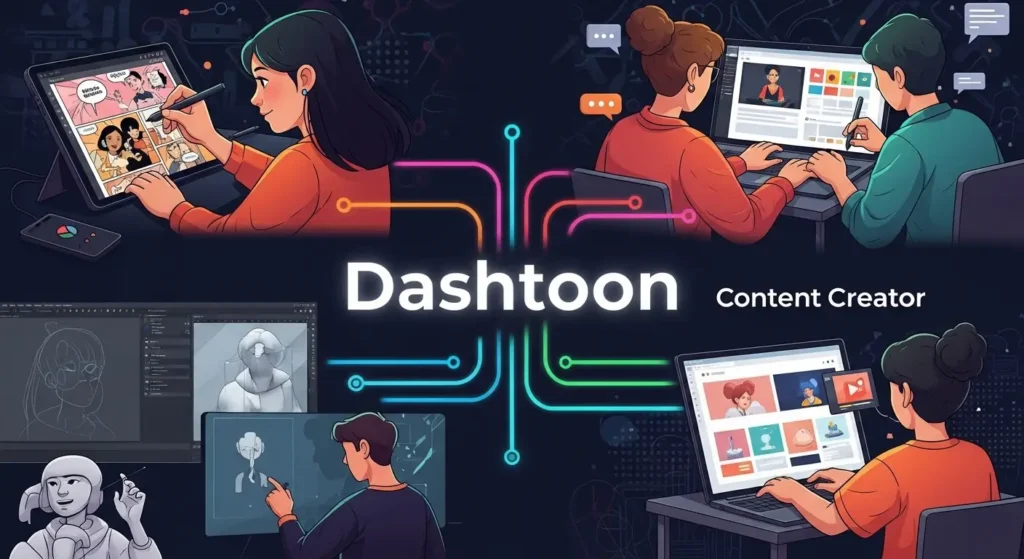
Dashtoon serves independent comic creators, writers, digital storytellers, and content studios producing webcomics and graphic narratives. These users transform written stories into illustrated visual media using the platform.