The Mental Challenges That Make Jujutsu Kaisen Characters So Compelling
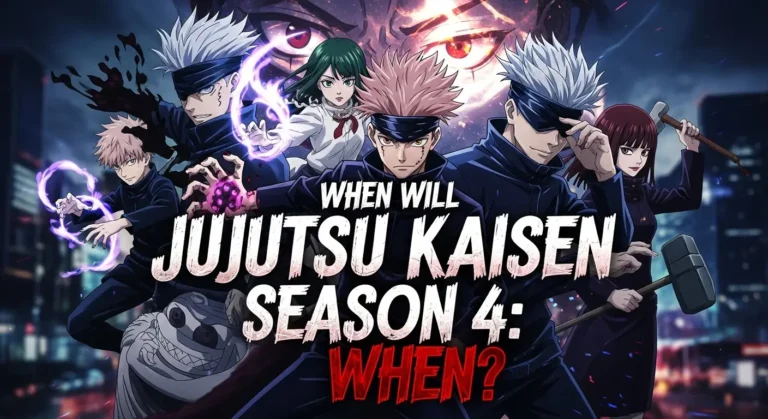
Jujutsu Kaisen is filled with spectacular fights, supernatural abilities and dangerous curses, but much of its emotional strength comes from something quieter: the psychological pressure placed on its characters.
Yuji, Megumi, Gojo and others are repeatedly forced to make difficult decisions while dealing with grief, responsibility, fear and expectations that would overwhelm most people. Their battles are therefore rarely only physical.
That makes the characters feel more human even when the world around them is completely fantastical. Viewers are not simply watching who is strongest. They are watching people try to remain functional when circumstances constantly test their values, relationships and sense of identity.
Stress Changes the Way Characters Think and React
One of the most convincing elements of the series is that extreme pressure has consequences.
Characters become distracted, emotionally exhausted or uncertain about decisions they might once have made quickly. That feels believable because prolonged stress can affect attention and mental clarity in ordinary life as well. For example, https://www.ryzesuperfoods.com/ explores wellness topics connected with focus, anxiousness and brain fog, helping explain why mental fatigue can make everyday thinking feel slower and less decisive.
Jujutsu Kaisen pushes that idea into much harsher circumstances. Its characters are often expected to process trauma and immediately return to situations where another mistake could have serious consequences.
Their hesitation therefore does not make them weaker characters. It gives their choices weight.
Yuji Carries Responsibility That Should Be Too Heavy for One Person
Yuji Itadori begins with a relatively straightforward desire to help people, but that principle becomes increasingly difficult to maintain.
He is forced to confront situations where good intentions cannot guarantee good outcomes.
That creates one of the series’ strongest internal conflicts.
Yuji wants his actions to have meaning, yet he repeatedly experiences events that challenge his belief that doing the right thing will necessarily protect others.
Guilt becomes particularly important.
Instead of simply recovering after traumatic events because the plot needs to move forward, Yuji carries their emotional consequences with him. His confidence can change, and his understanding of responsibility becomes more complicated.
That development makes his strength feel less important than his ability to continue choosing what kind of person he wants to be.
Megumi Shows the Pressure of Living by Difficult Principles

Photo by Anton Maksimov 5642.su on Unsplash
Megumi Fushiguro approaches morality differently.
He is not driven by the belief that everyone can or should be saved. Instead, he constantly evaluates who deserves help and what consequences his choices may create.
That makes him appear emotionally controlled, but his decisions are still deeply personal.
His willingness to put himself at risk also reveals a more complicated relationship with his own value.
Characters like Megumi are compelling because their biggest problems cannot be solved through greater combat ability.
Knowing a stronger technique does not automatically resolve questions about sacrifice, responsibility or whether someone believes their own life deserves the same protection they offer others.
Those contradictions give his quieter moments significant psychological weight.
Gojo Demonstrates the Isolation That Can Come With Exceptional Ability
Satoru Gojo initially appears almost untouchable.
His confidence, humour and extraordinary strength can make him seem less burdened than the younger characters around him.
Yet being overwhelmingly powerful creates its own form of isolation.
Very few people can understand his position, and his strength does not mean he can control every outcome.
That distinction is important.
Being capable of defeating almost anyone does not automatically make someone capable of protecting everyone.
Gojo’s character becomes more interesting when power is viewed as a responsibility rather than simply an advantage.
His circumstances also raise a broader question: what happens when everyone expects the strongest person in the room to solve problems that are larger than any one individual?
The pressure of those expectations gives another dimension to a character who could otherwise have existed mainly as a symbol of power.
Grief Does Not Disappear When the Next Fight Begins
Many action stories move quickly after loss.
Jujutsu Kaisen often allows grief to remain present even when the plot cannot stop.
Characters lose friends, mentors and people they expected to fight beside for much longer. Yet the surrounding danger means there is rarely enough time to process those losses properly.
That produces an uncomfortable but effective tension.
Someone can still be grieving while being required to make another critical decision moments later.
Different characters respond differently as well.
Some become quieter, others more reckless and others try to continue working as though nothing has changed.
These differences prevent trauma from feeling like a single dramatic device.
Instead, it becomes part of character development and influences the way relationships and decisions evolve.
Mental Conflict Makes the Battles Matter More
Spectacular animation can make a fight exciting, but emotional context is what makes the outcome important.
Jujutsu Kaisen works because many confrontations represent something beyond defeating an opponent.
A character may be fighting while questioning their own purpose, carrying guilt from an earlier event or trying to protect an idea they are no longer certain they believe.
That gives physical conflict another layer.
The strongest characters are not necessarily the ones who experience the least fear or doubt. Often, they are the ones who continue acting while those emotions remain unresolved.
This is a major reason the series has such a strong emotional pull.
Its supernatural world exaggerates the circumstances, but the mental challenges underneath them remain recognisable. Pressure, grief, uncertainty, responsibility and isolation are all experiences audiences can understand.
The curses may be fictional. The struggle to remain yourself when life becomes overwhelming is not.