Hiromi Higuruma in Jujutsu Kaisen: The Lawyer Who Put Sukuna on Trial
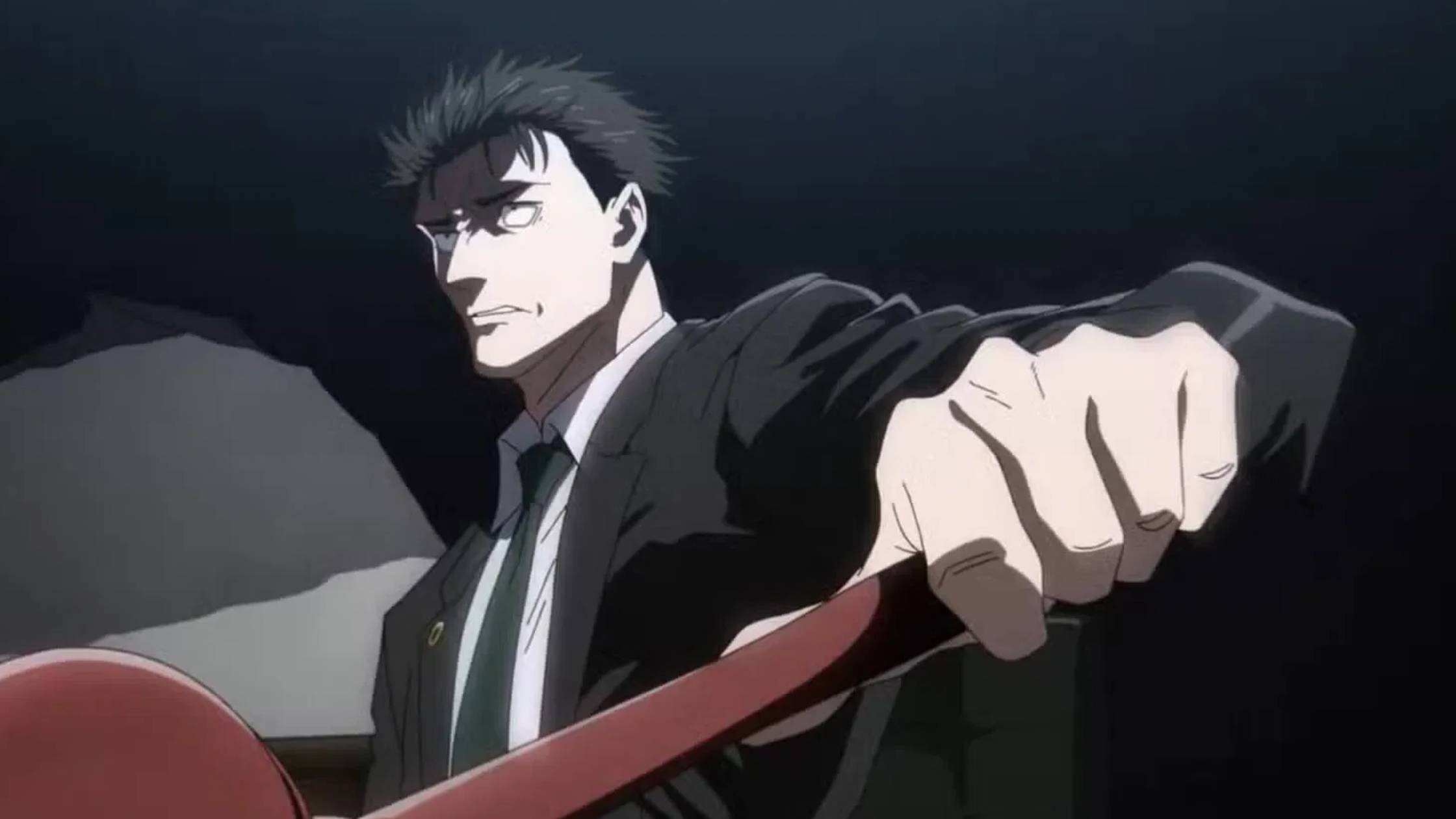
Hiromi Higuruma (日車寛見) spent his career defending people he believed the legal system was failing. Then the system failed him — in the direction he least expected — and he killed a judge and prosecutor with his bare hands and a gavel made of cursed energy.
By the time Yuji Itadori finds him lying fully clothed in a bathtub on Day 12 of the Culling Game, Higuruma has already accumulated the second-highest points total in the entire tournament. He is not trying to win. He is watching to see if a system without human interference handles justice any better than the one he abandoned.
It does not. He figures that out the moment Judgeman turns to face Yuji Itadori.
Character Profile
| Detail | Information |
| Full Name | Hiromi Higuruma (日車寛見) |
| Age | 36 |
| Former Occupation | Defense attorney, Iwate Bar Association |
| Affiliation | Independent — Culling Game / later Jujutsu High ally |
| Status | Alive |
| Cursed Technique | Judgeman / Deadly Sentencing |
| First Appearance | Chapter 158 |
| Arcs | Culling Game, Shinjuku Showdown |
| Voice Actor | Tomokazu Sugita (JP) |
Who Is Hiromi Higuruma?
Hiromi Higuruma is a former defense attorney who lost faith in the justice system, entered the Culling Game looking for something more honest, and found the same problem wearing a different mask.
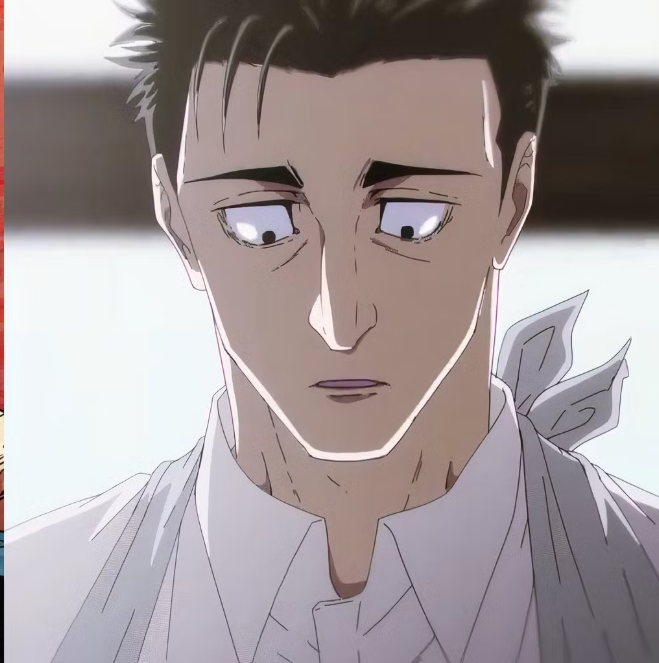
Before any of this happened, Higuruma was considered a genius. He passed Japan’s National Bar Exam and built a reputation for taking impossible cases — the wrongfully accused, the ones nobody else would touch. His entire identity was built on the premise that the law, applied correctly, could protect the innocent.
A single case dismantled that. Higuruma defended a client he was certain was innocent. He won. Then he found out the client had actually committed the crime. The system he believed in had been correctly operated and produced a result that offended everything he stood for. At the trial following that discovery, Higuruma killed the judge and prosecutor with his awakened technique.
He has been living with that ever since.
What Does Higuruma Look Like?
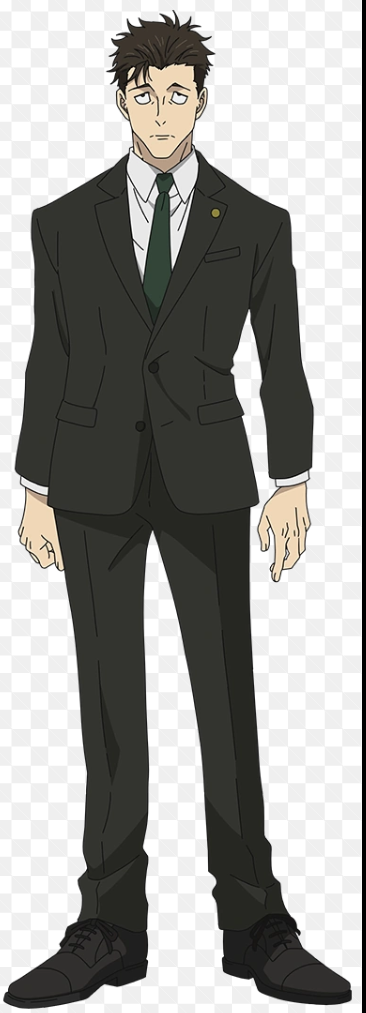
| Feature | Detail |
| Build | Average height, slender |
| Hair | Short, dark brown, stringy texture, slicked back |
| Eyes | Brown, very small pupils — sanpaku eye shape |
| Expression | Permanently tired and bored from overwork |
| Attire | Black suit, black tie, lawyer badge |
| Weapon | Gavel — can be enlarged through cursed energy |
What Is Higuruma’s Personality?
Higuruma is a man who genuinely believed in something, watched it fail him, and now occupies a space of dry, exhausted nihilism that he is too honest to fully commit to.
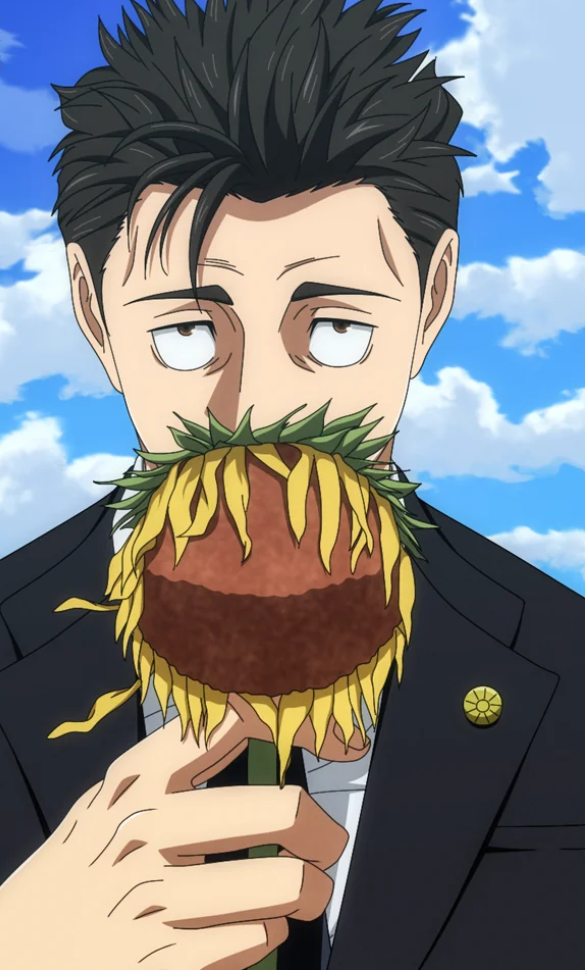
After killing the judge and prosecutor, Higuruma describes his mental state to Yuji like someone having a midlife crisis — lying in a bathtub for stimulation, experimenting with things he would never have done before, briefly considering becoming the money-driven lawyer he always refused to be. His humor is intact. His investment in anything is not.
The Culling Game appeals to him precisely because it removes human interference from justice. Rule-breakers are punished automatically — no prolonged prosecutions, no juries to persuade, no judges to corrupt. He finds a killing tournament more intellectually honest than the legal system he devoted his career to. That says everything about where he is when Yuji finds him.
He is not, at his core, someone who has abandoned his values. He is someone whose values destroyed him when he tried to apply them, and who has not yet found a reason to rebuild.
Yuji gives him one.
What Are Higuruma’s Abilities?
Within 12 days of awakening his cursed technique, Higuruma reached a combat level comparable to Grade 1 — with no training, no mentor, and no prior knowledge of jujutsu.

He did it by treating his Domain Expansion like a legal brief. Higuruma analysed the barrier that manifested with his technique, reverse-engineered how it worked, and derived the fundamentals of cursed energy manipulation from first principles. A lawyer taught himself jujutsu through case analysis.
Judgeman
Higuruma’s shikigami — a towering masked figure that serves as judge inside his Domain. Judgeman is effectively omniscient within the domain regarding the memories of everyone present. Higuruma himself does not receive this information. The trial that Judgeman presides over is genuinely adversarial — both parties must argue their case without Higuruma knowing in advance what Judgeman knows.
Domain Expansion: Deadly Sentencing
The domain takes the form of a circular courtroom surrounded by guillotines. Unlike most domains, Deadly Sentencing does not have a sure-hit attack. Instead, it places a non-violence effect on everyone inside — no attacks, no cursed techniques. Anyone who tries to fight is teleported back to their podium.
The domain operates as a real trial. Judgeman presents charges and evidence to Higuruma. Higuruma and the defendant argue their cases. Judgeman delivers one of three verdicts:
- Innocent — no penalty
- Confiscation — Judgeman strips one of the defendant’s cursed techniques or abilities permanently
- Guilty/Death Penalty — Confiscation applies, and Higuruma’s gavel transforms into the Executioner’s Sword
Executioner’s Sword
A weapon made entirely of cursed energy, generated when Judgeman delivers a death sentence. A single cut from the sword kills instantly. The sword’s specific property — relevant to the Sukuna plan — is that when multiple souls inhabit one body, the sword targets and eliminates only the guilty soul, leaving the innocent one intact.
Domain Amplification
Higuruma can use Domain Amplification as a sustained technique — coating himself in cursed energy that neutralises incoming attacks. In this mode he cannot use his innate technique simultaneously, but he becomes extremely difficult to damage through conventional cursed energy attacks.
What Happens to Higuruma in the Story?
Higuruma starts as the Culling Game’s most dangerous passive player, becomes an ally through one of the manga’s most structurally interesting fights, and ends up as the architect of the plan to use jujutsu law to separate Sukuna from Megumi.
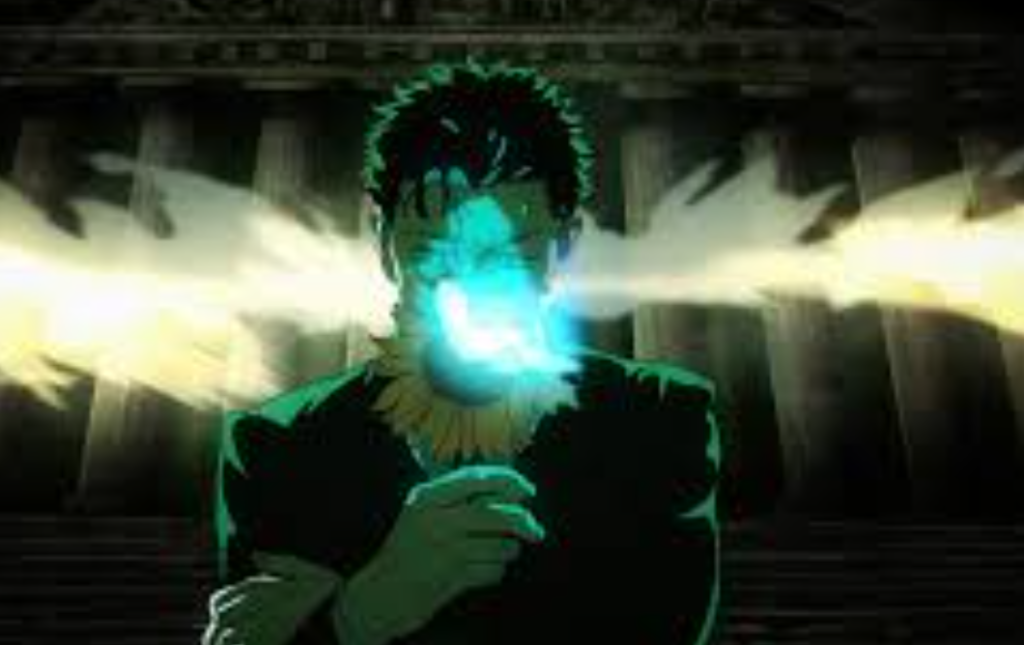
The Culling Game — Chapter 158 onwards
Higuruma enters Tokyo Colony No. 1 and accumulates 100 points faster than any other modern sorcerer — killing at least 20 players who attacked him and exorcising numerous cursed spirits before Yuji arrives. He does not seek out fights. They come to him.
Yuji finds Higuruma on November 12 and asks him to use his points to add a rule that would help end the Culling Game. Higuruma refuses. Yuji fights him.
Inside Deadly Sentencing, Judgeman accuses Yuji of the Shibuya massacre. Yuji — knowing he was possessed by Sukuna at the time — confesses anyway. He feels responsible for what happened in his body even though Sukuna made the choices.
Higuruma knows the evidence shows Sukuna, not Yuji. Judging Yuji for Sukuna’s crimes would be exactly what destroyed Higuruma’s faith in the legal system — punishing someone for something they did not do. He cannot go through with it.
Higuruma stops the fight, hands Yuji his points, and admits that killing the judge and prosecutor still feels wrong — that choosing to kill on his own felt profoundly different from anything the system ever asked him to do, and that he plans to turn himself in when the Culling Game ends.
He does not go with Yuji immediately. He needs time. He goes his own way first. Read the full fight sequence in Chapter 173 onwards.
Shinjuku Showdown
Higuruma returns for the final arc with a specific role: use the Executioner’s Sword against Sukuna.
The plan the sorcerers devise is elegant in the way only a plan built on legal precedent can be. Yuji’s Shibuya trial is reopened inside Deadly Sentencing. Sukuna — the soul that actually committed the Shibuya massacre — is added as co-defendant. Judgeman, who knows everything about everyone inside the domain, can distinguish Sukuna’s soul from Yuji’s. A death sentence delivered by the Executioner’s Sword would target and eliminate Sukuna while leaving Yuji alive — and potentially free Megumi’s body in the process.
The plan is the most legally precise battle strategy in the manga. A former defense attorney uses his courtroom domain to prosecute the King of Curses for crimes committed in someone else’s body.
What Does Higuruma Represent in the Story?
Higuruma is the manga’s argument that institutional failure does not excuse abandoning the values the institution was supposed to serve — and that recovering those values after losing them is harder and more important than any battle.
Kenjaku selected Higuruma because he could see the rage and despair underneath the exhaustion. A man who believed in justice and watched it collapse is exactly the kind of person who enters a killing game looking for something cleaner.
What Higuruma finds instead is the same human problem wearing a different shell. Judgeman is omniscient. The courtroom is impartial. And it still produces a result that Higuruma cannot ethically carry out, because the person standing at the defendant’s podium is innocent.
The mechanism was never the issue. The issue is that justice requires someone willing to see it through correctly — and that person has to be human, imperfect, and still trying.
For more on how the Culling Game arc reshapes the manga’s cast, and how Yuji’s role evolves across the main character pages, those pages cover the broader context. Read the chapters at jujutsukaisenmanga.pro.