Form and Function: Protecting Your Forearms in Close-Quarter Combat and Archery
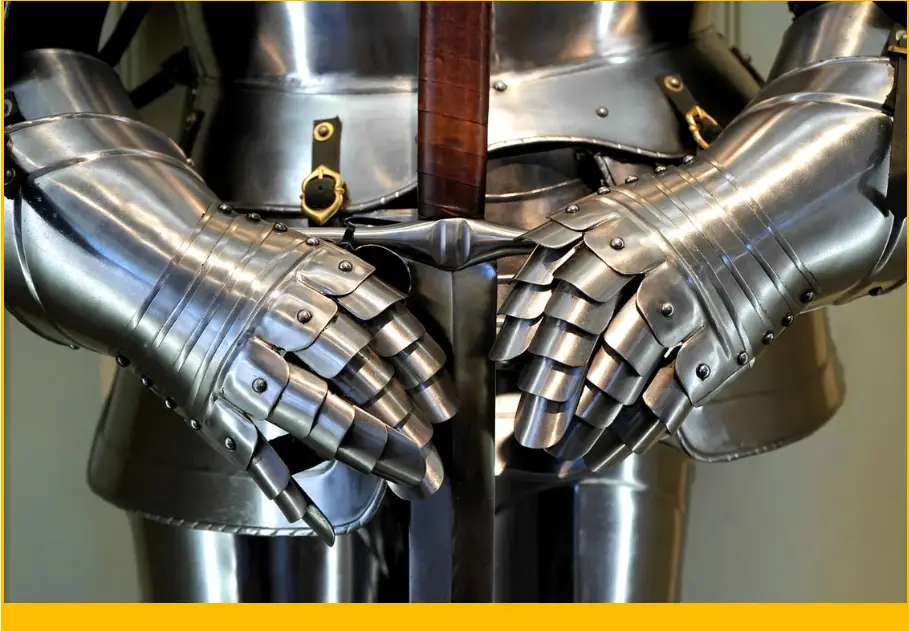
The forearms are the most vulnerable areas for any warrior. They’re always ahead, always moving, always the first to receive a blow or feel the snap of a bowstring. It’s no wonder that almost every historical culture has had its own methods of protecting this part of the hand, from the Roman manica to the Japanese kote.
In the world of LARP, this tradition is alive and well. Today, high-quality LARP bracers from manufacturers like LARPSHOPKEEPER combine both aesthetics and practical functionality. Fiberglass-reinforced polyurethane provides the strength of metal while weighing as little as regular clothing.
Why Forearms Suffer Most Often
If you look at injury statistics in LARP combat events, the picture is clear. The hands, wrists, and forearms are the most frequently injured. The reason is simple: these areas are the most active target areas. You parry, block, and reach for your opponent’s weapon. And every time, you expose your hands.
Without protection, even soft training weapons leave marks. After two hours of fighting, your hands are bruised, and your fingers are numb. Good bracers solve this problem.
Protection for Close Combat
In close combat, bracers act as the first line of defense. When a sword comes toward your head, the instinctive reaction is to raise your hand. Without armor, this means a guaranteed bruise or worse. With bracers, the hard surface absorbs the impact, dissipating the energy.
Polyurethane performs excellently here. It doesn’t ring like steel, doesn’t slip like plastic, and holds its shape for years. And it weighs a fraction of its metal counterparts.
Archery Protection
Archers face a different problem. After a shot, the bowstring hits the inside of the forearm. Once is bearable. A hundred times a day is a guaranteed bruise along the entire length of the arm. Archery bracers solve this once and for all.
Before choosing, consider several factors:
- length of forearm protection;
- smooth inner surface;
- reliability of straps;
- elbow clearance;
- glove compatibility;
- weight and balance.
These factors determine how comfortable you will be while shooting. Bracers that are too short will not provide complete protection. Bracers that are too stiff will interfere with aiming. A smooth surface is essential to prevent the bowstring from snagging and to let the string slide cleanly.
Aesthetics as Part of Function
Modern players aren’t willing to choose between beauty and functionality. Good bracers should both protect and enhance the character’s image. Fortunately, polyurethane technology allows for both.
The LARPSHOPKEEPER catalog, for example, features items with engravings, runes, embossed patterns, and stylized designs from various eras. Every player will find something to suit their character. A single mold allows for the production of identical copies — convenient if you’re assembling a squad with a consistent style.
How to Choose the Right Size
The biggest mistake beginners make is buying bracers at random. This leaves them either dangling or constricting the arm. Before ordering, measure your forearm circumference at two points: at the wrist and at the widest point below the elbow.
Good bracers should fit snugly but not too tightly. A finger can easily fit between the leather and the armor. The straps are adjustable, allowing you to customize the fit with a winter underarmor or summer shirt, if needed.
Forearm protection is an investment that pays off from the very first event: fewer bruises, more confidence in combat, and a better overall look. Polyurethane bracers offer all of this at once: strength, lightness, aesthetics, and affordability.