Saori in Jujutsu Kaisen: Nobara’s Childhood Friend Explained
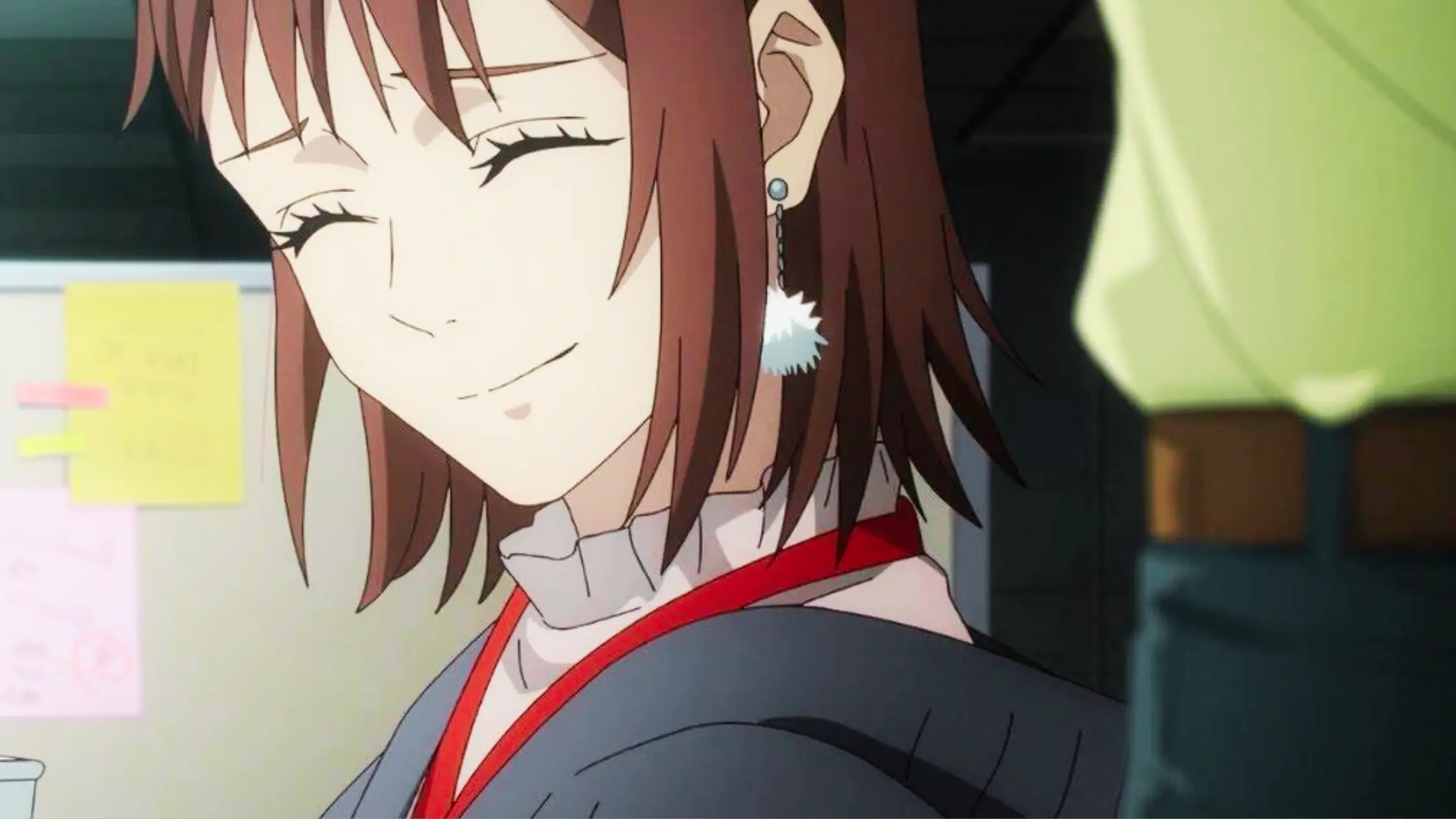
Saori is a non-sorcerer civilian and Nobara Kugisaki’s most important childhood friend. She has no cursed technique and never fights. She appears in two scenes across the entire manga and shapes the emotional foundation of one of the series’ three main protagonists more completely than any training or mission does.
Character Profile
| Detail | Information |
|---|---|
| Name | Saori |
| Name Kanji | 沙織 — “sand” and “weaving” |
| Type | Non-sorcerer civilian |
| Connection | Nobara Kugisaki — childhood friend |
| Age Gap | Seven years older than Nobara |
| Hometown | Tokyo — moved temporarily to Nobara’s village |
| Status | Alive — working adult |
| First Appearance | Chapter 125 (Shibuya flashback) |
Who Is Saori?
Saori is a girl from Tokyo who moved to Nobara’s rural village during her second year of middle school, became the most important person in young Nobara’s life, was driven out by village hostility, and became the reason Nobara left for Tokyo in the first place.
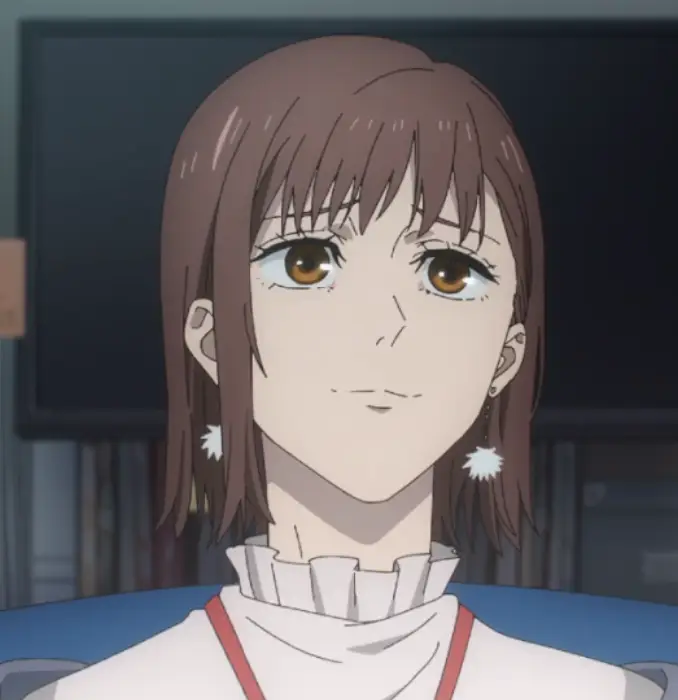
Her mother had an interest in organic food and spirituality and chose the countryside deliberately. Saori was an only child, seven years older than Nobara and her friend Fumi. The age gap did not matter to any of them. Saori made black tea for them, showed them things from Tokyo they had never encountered, and treated them with a warmth the village itself consistently withheld from outsiders.
Nobara described her as “cute as a doll and kind as a saint.” The precision of that description, offered years later by a girl who does not offer compliments carelessly, says everything about how Saori registered.
The village ostracised Saori’s family. Residents vandalised her home, dumped trash in front of it, and made clear the family was not wanted. Saori’s family left. Nobara cried in a way Fumi still remembers clearly years later. After that day neither Fumi nor Nobara spoke about Saori again. Not because they forgot. Because some things are too heavy to carry in conversation.
Saori never exchanged contact information with Nobara or Fumi before leaving. She was afraid that having the channel would make losing them hurt more than not having it at all. She left without a way back and spent years wondering if they would find her boring if they met again.
What Is Saori’s Role in the Story?
Saori’s role is entirely emotional. She is the reason Nobara came to Tokyo, the promise Nobara made before leaving her village, and the person Nobara thinks about when her life flashes before her eyes during Shibuya.

When Mahito activates Idle Transfiguration on Nobara’s face during the Shibuya Incident, Nobara sees her life in a brief sequence of images. She sees Fumi. She sees Saori. She thinks of the promise she made to Fumi before leaving — that all three of them would meet again in Tokyo. She apologises to Fumi for not being able to keep it.
At the same moment, on the other side of Shibuya, Saori is at her desk working past midnight on a project deadline. A coworker mentions the news reports about a large incident in the area. They both assume it is a terrorist attack. Saori talks about Nobara briefly — the girl from the village who took a liking to her, too cute, she made black tea to impress her. She wonders how Nobara is doing.
The two scenes run in parallel in the manga without comment. Nobara dying while thinking of Saori. Saori alive and thinking of Nobara. The reader holds both simultaneously.
Saori eventually reunites with Nobara in the epilogue. Gojo’s letter to Nobara contains her mother’s whereabouts. The promise Nobara made to Fumi is kept. Saori and Nobara meet again in Tokyo. The manga does not dramatise it. It simply confirms it happened.
Why Does Saori Matter?
Saori matters because she is the specific human reason behind a character’s entire life direction, and the manga takes that seriously without overstating it.
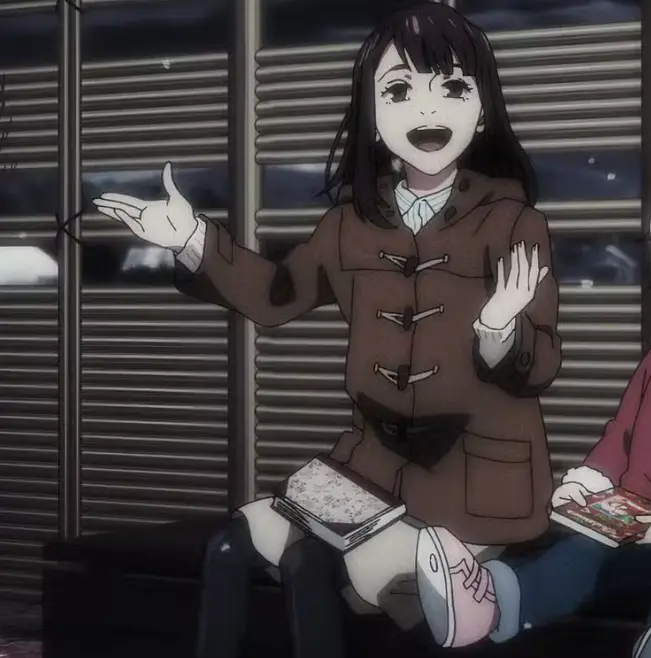
Nobara is confident, direct, and certain about who she is. The origins of that certainty run back to Saori — a girl who showed a young child in a narrow village that kindness existed outside its boundaries and that the world beyond it was worth reaching. Nobara left for that world. She became who she is in it.
The fact that Saori grew up to be an ordinary, slightly worried workaholic who fears disappointing her friends is the point. She never became a sorcerer. She never became extraordinary. She became exactly what she was — a kind person who made black tea to impress two younger girls she cared about — and that was enough to change the entire shape of another person’s life.